




Get ready before it gets busy
Your busiest days leave the least room for surprises.
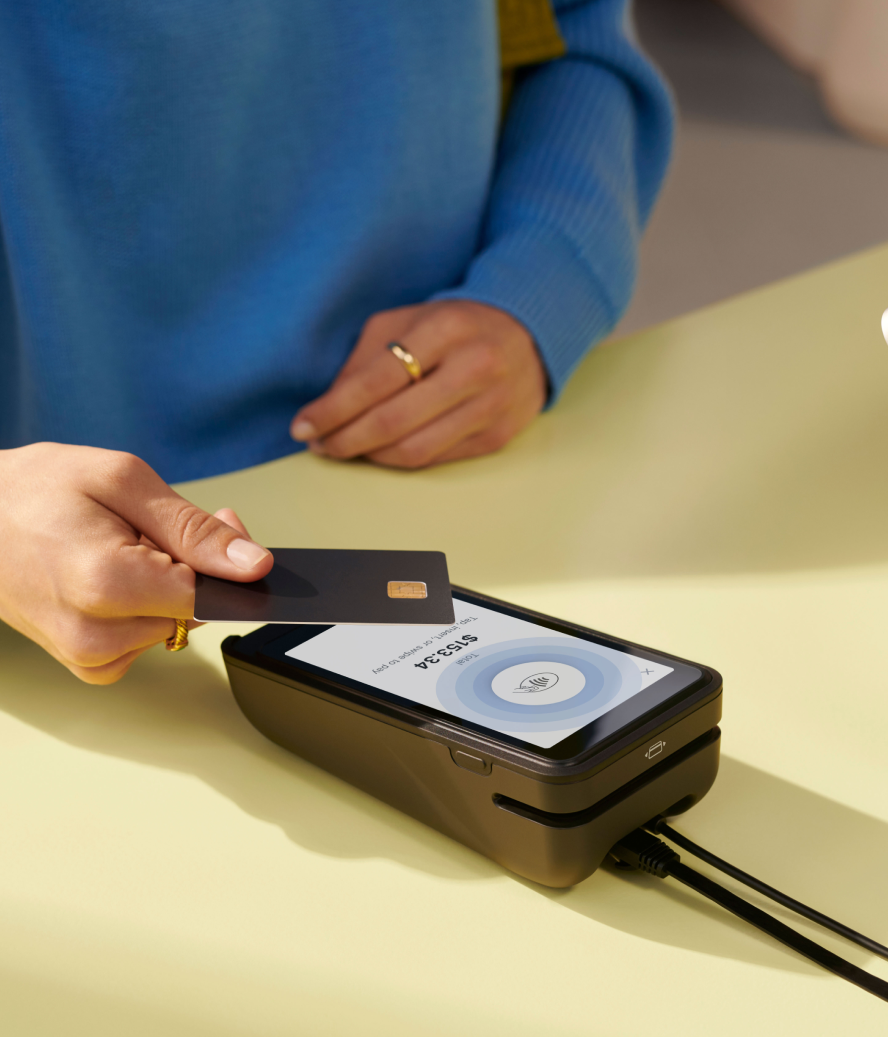
The product everyone wants is suddenly running low. A new hire can't access what they need. The line starts building. A card reader disconnects at exactly the wrong moment.
You can't predict everything BFCM will bring. But you can make sure your store is ready for more of it.
Use this checklist to work through the essentials before the rush, from inventory and staffing to checkout, payments, hardware, and what happens after the sale.
Already feeling ready? Good. Run through it anyway.
1. Know what you have and where it is
Your best seller can't sell if your system says it's somewhere it isn't. Start with inventory so your team knows what's available, what's running low, and where to find it when customers start asking.
✓ Count your inventory
Do a stock count before peak and fix discrepancies while there's still time to investigate them.
If you have multiple stores, make sure each location is starting BFCM with an accurate count.
Tip: For a quick spot check, staff can use Quick count in Shopify POS to scan or search for products and update quantities. For a more structured count, you or a manager can create and schedule a Stock count in Shopify Admin, choose the location and products to include, and assign staff. The count appears in POS for staff to complete, then goes back to Admin for review before inventory is adjusted.
✓ Check your best sellers
You probably already know which products are likely to move fastest. Check those first and make sure you have enough stock where you expect demand.
✓ Make sure your team knows how to find stock
If something isn't available on the shelf, staff should know how to check whether it's available elsewhere rather than ending the conversation at “we're out.”
Tip: In Shopify POS, search for the product using the Search bar on POS Home or Search within Products, then tap the product name to open its product details. From there, you can see how many are available at your current store and at your other locations.
Before you move on:
☐ Inventory counted
☐ Discrepancies reviewed
☐ Best sellers checked
☐ Staff know how to look up inventory
2. Get your team ready before their busiest shift
BFCM isn't the time to discover someone can't log in, doesn't have the right permissions, or can't find what they need in POS.
Get the basics set up before things get busy.
✓ Add seasonal staff
Get new team members into POS ahead of their first shift. Give each person their own PIN so activity can be tied to the right staff member.
✓ Check roles and permissions
Make sure staff can access what they need to sell while keeping sensitive information and manager-only actions restricted.
Think about who needs to process returns, apply discounts, manage offline payments, or approve other restricted actions, and make sure the right permissions are in place before BFCM.
✓ Tune up your Smart Grid
Put your most-used products, collections, discounts, and actions where they're easy to find.
Think about the things your team will reach for dozens of times on your busiest day. Those are the things worth putting one tap away.
Before you move on:
☐ Seasonal staff added
☐ Every staff member has their own PIN
☐ Roles and permissions reviewed
☐ Smart Grid ready
3. Make busy checkout feel less busy
You can't control how many people show up at once. You can control how easily your team moves through the line.
Look for the small steps that can disappear from every transaction.
✓ Get your holiday discounts ready
Set up the promotions you're planning to run before BFCM.
Use automatic discounts where appropriate and make discount codes easy to scan so staff aren't typing, calculating, or trying to remember offers while customers wait.
Tip: Make your most-used holiday offers easy to apply at the register. In Shopify Admin, go to Discounts → select your discount → Promote → Get a shareable discount code to download a QR code. Keep the QR code handy at checkout, and staff can scan it in Shopify POS using a supported 2D scanner or the barcode icon and their device camera to apply the discount to an eligible cart.
✓ Serve multiple customers with Recent carts
During a BFCM rush, one staff member might be helping several shoppers at once, or several staff members might need to help the same customer.
Recent carts let your team move between shoppers or pick up where another staff member left off without rebuilding the cart from scratch.
Tip: Make sure staff know where to find Recent carts before the rush. In Shopify POS, tap More → Recent carts to find carts from that location, including sales, returns, and exchanges. Staff can move between customers or open a cart another team member started and continue where they left off.
✓ Prepare extra devices before you need them
If you're adding devices to handle peak traffic, don't wait until the line forms to turn them on.
Get them updated, connected, and charged ahead of time. Make sure staff who may use them can log in quickly.
Before you move on:
☐ Holiday promotions ready
☐ Discount codes and automatic discounts set up
☐ Staff know where to find Recent carts
☐ Extra devices updated, connected, and charged
☐ Staff can log in where they'll need to sell
4. Plan for the “what ifs”
Now ask the question nobody wants to ask on Black Friday:
What could go wrong?
You don't need a complicated disaster plan. Think through the problems most likely to slow your store down and take care of what you can ahead of time.
✓ Know what happens if your connection drops
Understand how offline payments work and make sure the right settings and permissions are in place before peak.
More importantly, make sure the people working the floor know what to do if connectivity becomes an issue.
Tip: If you use Shopify Payments, turn on offline payments before BFCM in Shopify Admin → Point of Sale → Settings → Payments → Offline payments and set the transaction and device limits that work for your business. Make sure you or a manager also knows how to manually enable offline payments on an individual POS device if you need them unexpectedly.
✓ Know where to check your connections
Make sure your team knows where to look if a card reader, printer, scanner, or another device stops behaving as expected.
Tip: From the POS Home screen, tap the connectivity status icon next to the search bar to check your internet connection, Shopify services, and connected hardware. If something isn't working as expected, this is the first place to look.
✓ Check every piece of hardware
Do a pre-peak hardware check.
Charge your readers. Check printers and scanners. Confirm connections. Don't forget about any devices you keep as backups, either.
✓ Consider a wired setup for peripherals
If Bluetooth dropouts are a recurring issue, Shopify POS Hub lets you connect compatible accessories over USB for a more stable setup.
✓ Update your POS devices
Make sure your devices are running the appropriate POS version and review your update settings before peak.
Don't make Black Friday update day.
Before you move on:
☐ Offline payments reviewed, if using Shopify Payments
☐ You or a manager knows how to enable offline payments if needed
☐ Staff know where to check connectivity
☐ Readers charged and ready
☐ Printers and scanners checked
☐ Backup or seasonal devices ready
☐ POS devices updated
5. Have a plan for the sale that almost gets away
Not every BFCM shopper walks straight to the register with exactly what they want.
Someone can't find their size. Someone needs to think about it. Someone loves the product but isn't ready to buy.
Give your team another move besides “Okay, see you later.”
✓ Send the cart with them
If a shopper isn't ready to check out, staff can start their cart in store and send it to them to complete later.
That way, they don't have to start their shopping all over again when they're ready to buy.
Tip: Set up Send cart before BFCM so it's ready when staff need it. In Shopify Admin, go to Point of Sale → Settings → POS apps, then add Send cart to your POS Smart Grid for the locations where you want staff to use it. In store, staff can build the shopper's cart, tap the Send cart tile, add the customer's email, and send it so they can complete their purchase online later.
✓ Have gift cards ready
Sometimes the thing standing between a shopper and a sale is simply that they don't know what to buy.
Make sure physical and digital gift cards are ready to sell during gifting season.
Tip: Get gift cards set up before the holiday rush. In Shopify Admin, go to Products → Gift cards to create your gift card product, choose the denominations you want to offer, and make it available on the Point of Sale sales channel. If you're selling physical gift cards, make sure you have compatible gift cards on hand and ready to activate. In Shopify POS, staff can add the gift card product to the cart, choose an amount, and issue a digital or physical gift card at checkout.
Before you move on:
☐ Send cart set up
☐ Staff know where to find Send cart
☐ Digital gift cards ready
☐ Physical gift cards stocked, if using them
6. Don't just make sales. Meet your customers
BFCM can introduce a lot of new people to your store.
The opportunity isn't just to sell to them once. It's to leave the weekend knowing who your customers are and, where they've opted in, having a way to stay in touch.
✓ Build customer profiles
Encourage staff to add customers to the sale where appropriate so their purchases become part of a customer profile rather than an anonymous transaction.
Tip: In Shopify POS, staff can tap Add customer from the cart to search for an existing customer or create a new profile. That connects the purchase to their customer profile so you can recognize them when they shop
✓ Capture customer emails
Give shoppers the option to provide their email and receive an email receipt.
Where appropriate, give them the choice to opt in to marketing too, so customers who want to hear from you can stay connected after BFCM.
✓ Build a local customer segment
After BFCM, create a segment of customers who shopped with you in store.
Now you have an audience of local customers who already know your brand and, where you have the appropriate marketing consent, can be reached with relevant campaigns that bring them back.
Tip: In Shopify Admin → Customers → Segments, create a customer segment using location-based purchase criteria to identify customers who placed orders at your retail locations. Save it so it's ready when you want to reach those customers again, whether that's for an in-store event, a new collection, or a post-holiday offer.
✓ Know who's helping drive sales
Use staff attribution where it makes sense so you have better visibility into the team members helping customers and contributing to sales.
Tip: Set up staff attribution before BFCM so your reporting reflects who helped make the sale. Staff can be attributed to an entire order or individual items in the cart, which is useful when more than one associate helps the same shopper. After BFCM, you can use your Shopify reports to see sales attributed to each staff member.
Before you move on:
☐ Staff know how to add customers to a sale
☐ Email capture ready
☐ Marketing opt-in considered
☐ Local customer segment planned
☐ Staff attribution ready, if relevant
7. Get ready for what comes after the rush
The weeks after BFCM bring exchanges, returns, gift-card shoppers, and customers coming back for round two.
Prepare for those moments now, too.
✓ Make sure staff know the return flow
Review returns and exchanges before peak, particularly if seasonal employees will still be working when holiday returns begin.
Tip: Check your return rules and staff permissions before the rush. In Shopify Admin → Settings → Policies, review your return policy so your holiday terms are clear. Then review your POS roles and permissions under Point of Sale → Staff to make sure the right team members can process returns and exchanges without having to find a manager every time.
✓ Be ready to offer exchanges and store credit
A customer coming in for a return may still be looking for something else.
Make sure your team understands the options available so they can help shoppers exchange an item or choose store credit when appropriate.
Tip: Get your return options set up before you need them. In Shopify Admin → Settings → Customer accounts, make sure store credit is enabled if you plan to offer it as a return option. Then check which POS staff have permission to process returns and exchanges so the right people can offer an exchange, refund, or store credit when a customer comes back after the holidays.
✓ Plan your first post-holiday customer email
Remember that local customer segment?
Decide now how you'll use it after BFCM. Give customers who have opted in a reason to visit again once the holiday rush settles down.
Tip: Set up your audience while BFCM is still top of mind. In Shopify Admin → Customers → Segments, create and save your in-store customer segment ahead of time. When the rush is over, you'll already have an audience ready for your next campaign.
Before you move on:
☐ Return policy reviewed
☐ Returns and exchanges permissions checked
☐ Store credit set up, if offering it
☐ Local customer segment planned
☐ Post-holiday outreach planned
The 5-minute BFCM readiness check
If you only have five minutes, start here.
Inventory
☐ Stock counts are accurate
☐ Best sellers have been checked
☐ Staff know how to look up inventory
Team
☐ Everyone has their own PIN
☐ Roles and permissions are right
☐ Seasonal staff are added and can log in
☐ Smart Grid is ready
Checkout
☐ Holiday discounts are set up
☐ Staff know where to find Recent carts
☐ Extra checkout devices are ready
Reliability
☐ POS devices are updated
☐ Readers, printers, and scanners are ready
☐ Offline payments are set up, if using Shopify Payments
☐ Staff know where to check connectivity
Capture every opportunity
☐ Send cart is ready
☐ Gift cards are ready
☐ Staff know how to add customers to a sale
☐ Staff attribution is ready, if relevant
After BFCM
☐ Return policy and permissions are reviewed
☐ Store credit is ready, if offering it
☐ Local customer segment is planned
☐ Post-holiday outreach is planned
Ready for the rush
BFCM will be busy. That's the point.
The goal isn't to plan for every possible thing that could happen. It's to take care of the things you can control now: accurate inventory, a team that can get into POS and find what they need, checkout that's ready for a crowd, and a plan for when something doesn't go as expected.
Work through the checklist before the rush. Then, when the doors open, your team can focus on the customers in front of them.

